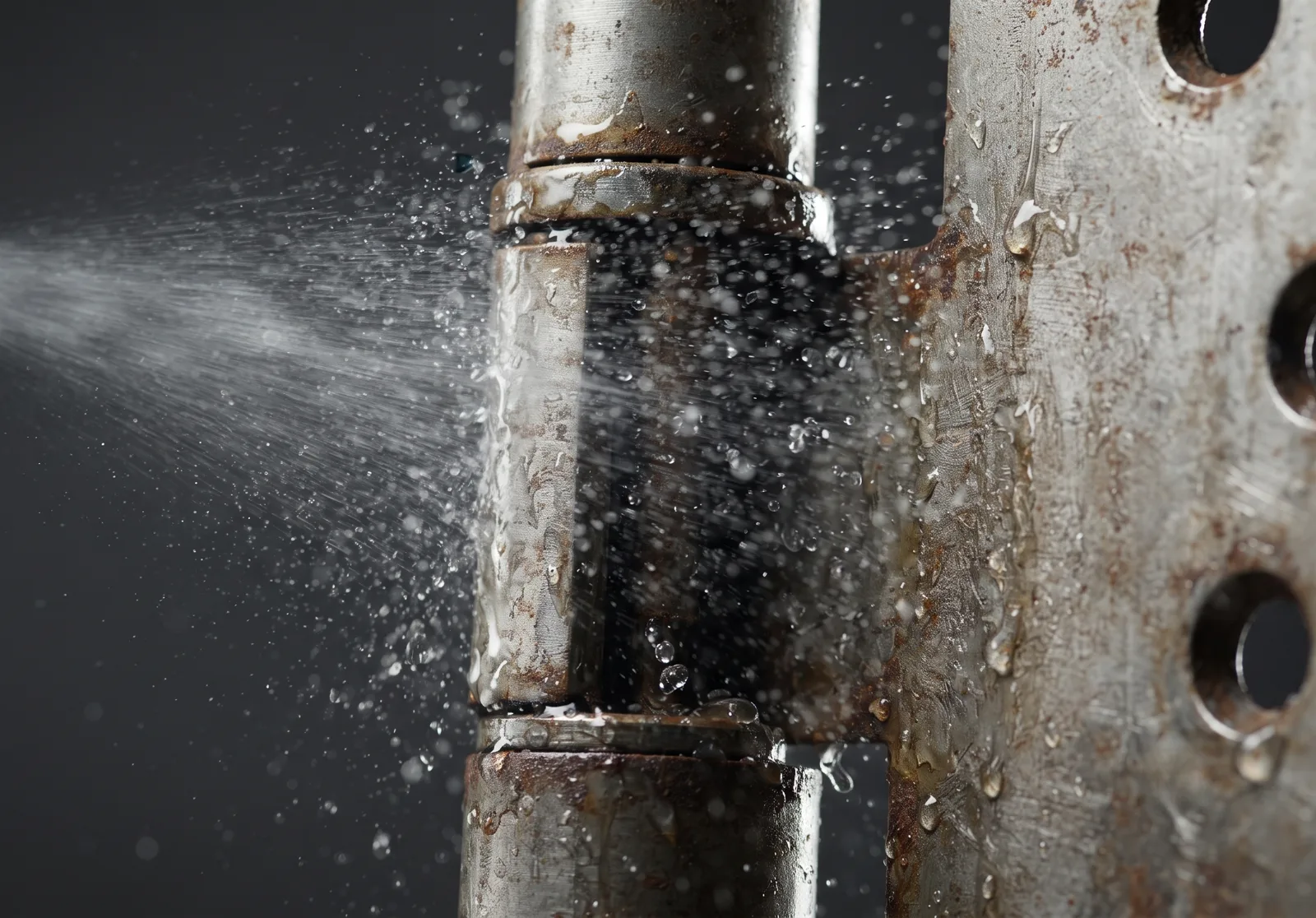
 Step-by-Step Guide
How to Lubricate Squeaky Door Hinges
A squeaky hinge isn't broken; it's just dry, and it will announce exactly when you came home unless you get inside the joint and take care of it. The fix takes less time to do than to complain about, and it stays quiet for months if you work the pin, not just the face everyone sees.
Find the actual source
Open and close the door slowly and listen. Most "door" squeaks are one hinge pin, not the whole assembly, so narrow it down before you spray three of them for nothing.
Wipe the pin and knuckle first
Dust and old, gummed-up oil under the hinge cap is usually louder than the metal-on-metal itself. A quick wipe with a rag clears the grit the new lubricant would otherwise just work into a paste.
Pull the pin if it comes out easily
On a removable-pin hinge, sliding the pin most of the way out lets you coat it directly rather than hoping a spray finds its way in around the collar. Do one hinge at a time so the door stays hung.
Apply at the knuckle, not the face of the door
Aim the straw or nozzle into the gap between the hinge knuckles, where the pin actually rotates: that is the only surface doing the work, and it wants a direct hit, not a dusting from a foot away.
Work the door through its full swing
Open and close it ten or twenty times, all the way. This is what actually works the lubricant down the length of the pin instead of leaving it pooled at the top knuckle, doing nothing for the rest of the joint.
Wipe the excess off the visible metal
Anything left sitting on the hinge face collects dust and eventually looks worse than the squeak did. A dry cloth over the knuckle after you finish keeps the fix invisible instead of just quiet.
Recommended Products
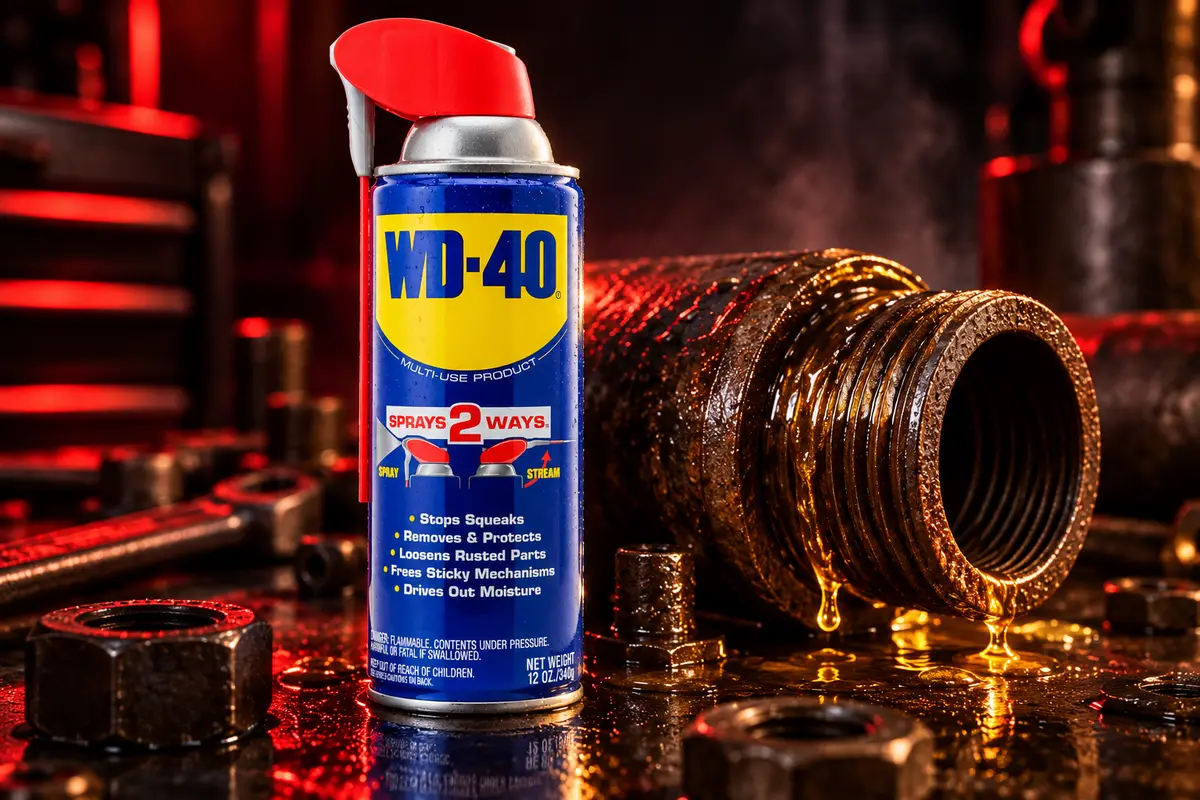
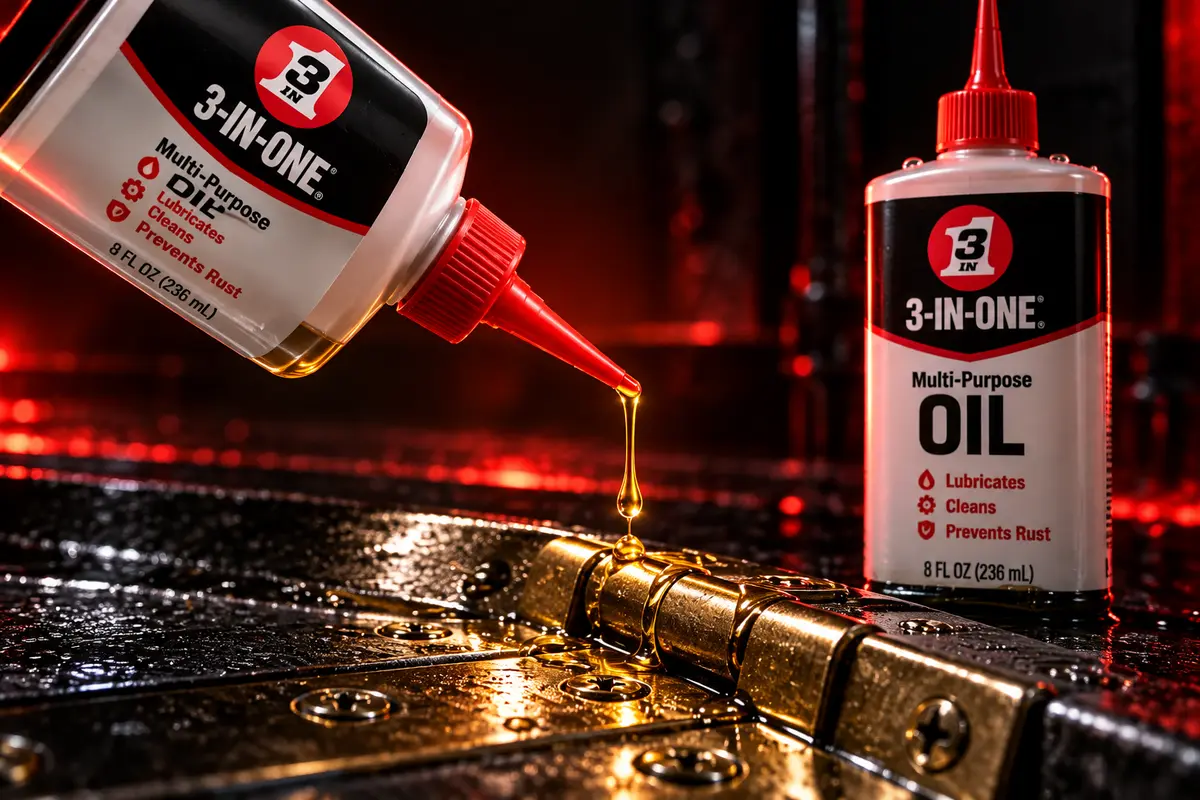
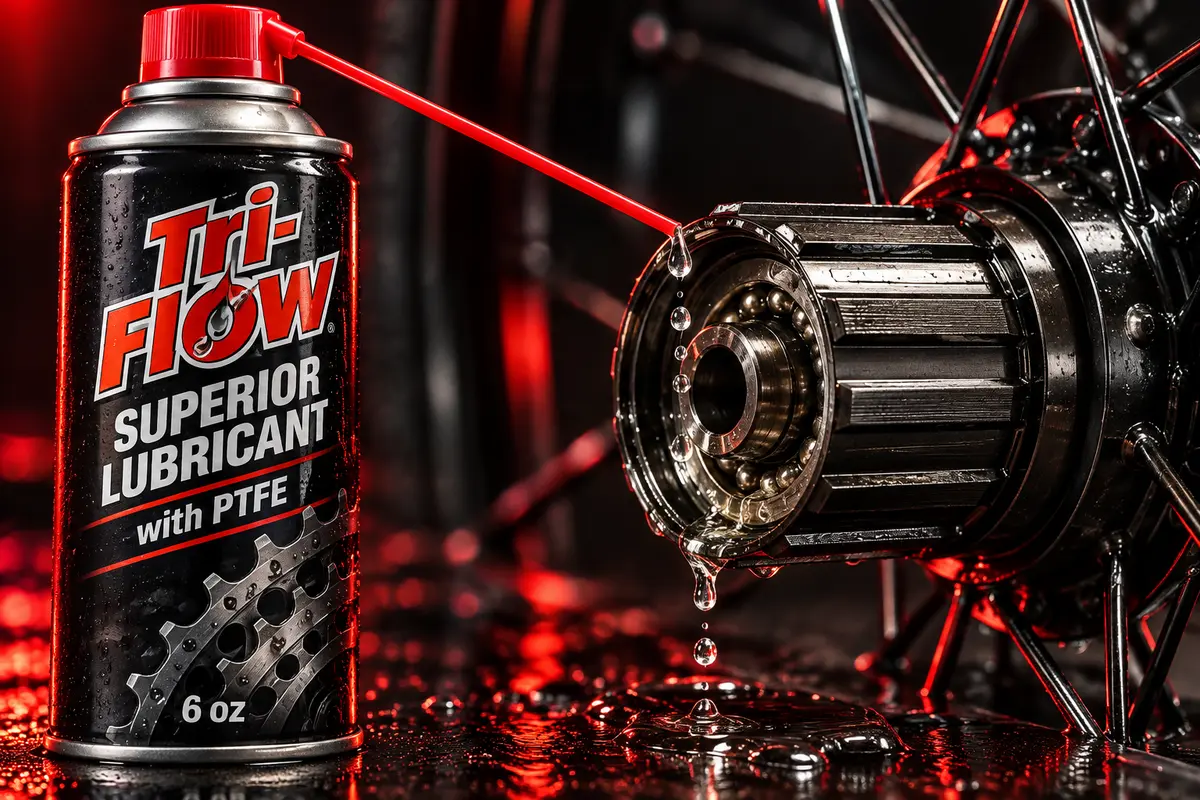
Tri-Flow
PTFE-fortified. Precision application. One lube handles everything.
Advice
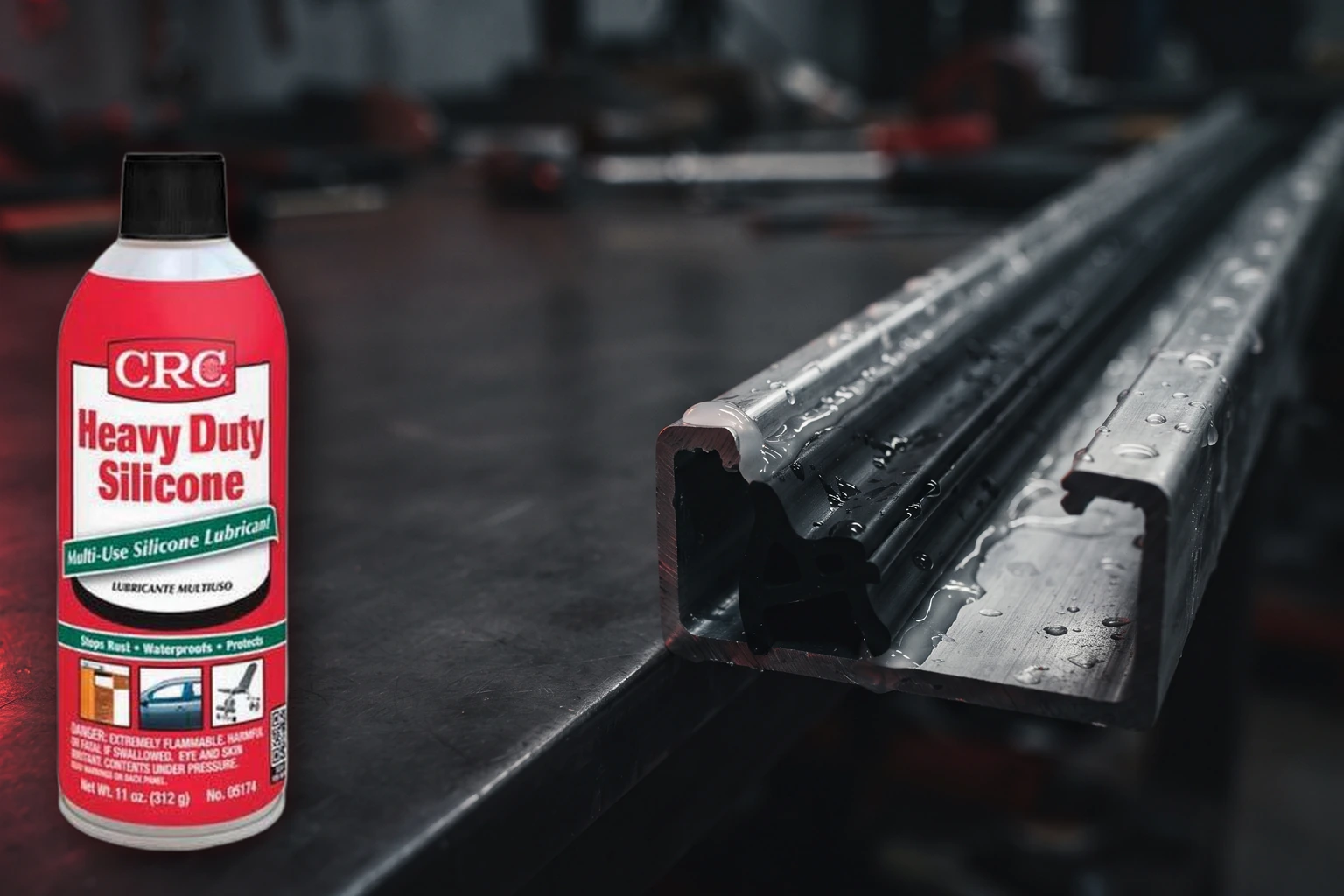
A silicone spray outlasts a light oil on exterior doors: it sheds water instead of washing out in the first hard rain.
If the squeak comes back in a week, the hinge pin itself is worn or the door is sagging and rubbing the frame; that's a hardware problem, not a lubrication one, and no amount of spray fixes it a second time.
Petroleum jelly on a fingertip works in a pinch but attracts dust fast. Fine as a stopgap, not a fix you want to repeat monthly.
Do every hinge on the door in one pass, even the quiet ones: a hinge that isn't squeaking yet is usually just a few weeks behind the one that is.
Seized-Part Jobs
Browse every seized-part job →Related Reading
Best Penetrating Oil
Compare Kroil, PB B'laster, WD-40 Specialist and Liquid Wrench by job, reach and price tier. Find the right penetrating oil for rusted bolts and stuck fittings.
PicksBest Silicone Lubricant
Compare four silicone sprays and one silicone grease for rubber, plastic and mixed-material jobs. See where each form fits before applying it.
PicksBest Bike Chain Lube
Compare four bicycle chain lubricant reviews and choose by riding conditions, application and cleanup.
PicksBest Multi-Purpose Lubricant
The best do-everything lubricants for home, shop, and field. When you want one bottle that handles anything you throw at it.
Head-to-HeadWD-40 vs PB B'laster
For a seized fastener, start with PB B'laster. For moisture displacement and general shop use, choose WD-40 Original.
Head-to-HeadWD-40 vs Kroil
Kroil is the dedicated option for stubborn corrosion; WD-40 Original covers more everyday shop jobs.
Head-to-HeadTri-Flow vs 3-IN-ONE Oil
Tri-Flow is listed for precision mechanisms; 3-IN-ONE Oil fits general household hinges and tools.
Head-to-HeadWD-40 vs Liquid Wrench
Same penetration-depth label and price tier: WD-40 is the wider all-rounder, Liquid Wrench the low-odor pick for indoor jobs.