 Lubrication guide
How to Lubricate a Trailer Hitch and Ball Mount
A hitch needs grease where metal rubs, a thin film where metal rusts, and nothing where a pin or lock has to hold.
A dry, squeaking or rusty hitch needs old grime removed, a thin coat of grease on approved ball and coupler contact surfaces, and corrosion protection on the receiver and shank where the hitch maker allows it. Keep lubricant out of the pin and lock mechanisms and away from brakes. Follow the hitch and trailer makers’ instructions first; the steps below are general shop practice.
What each part of the hitch needs
A towing setup has several parts that behave differently.
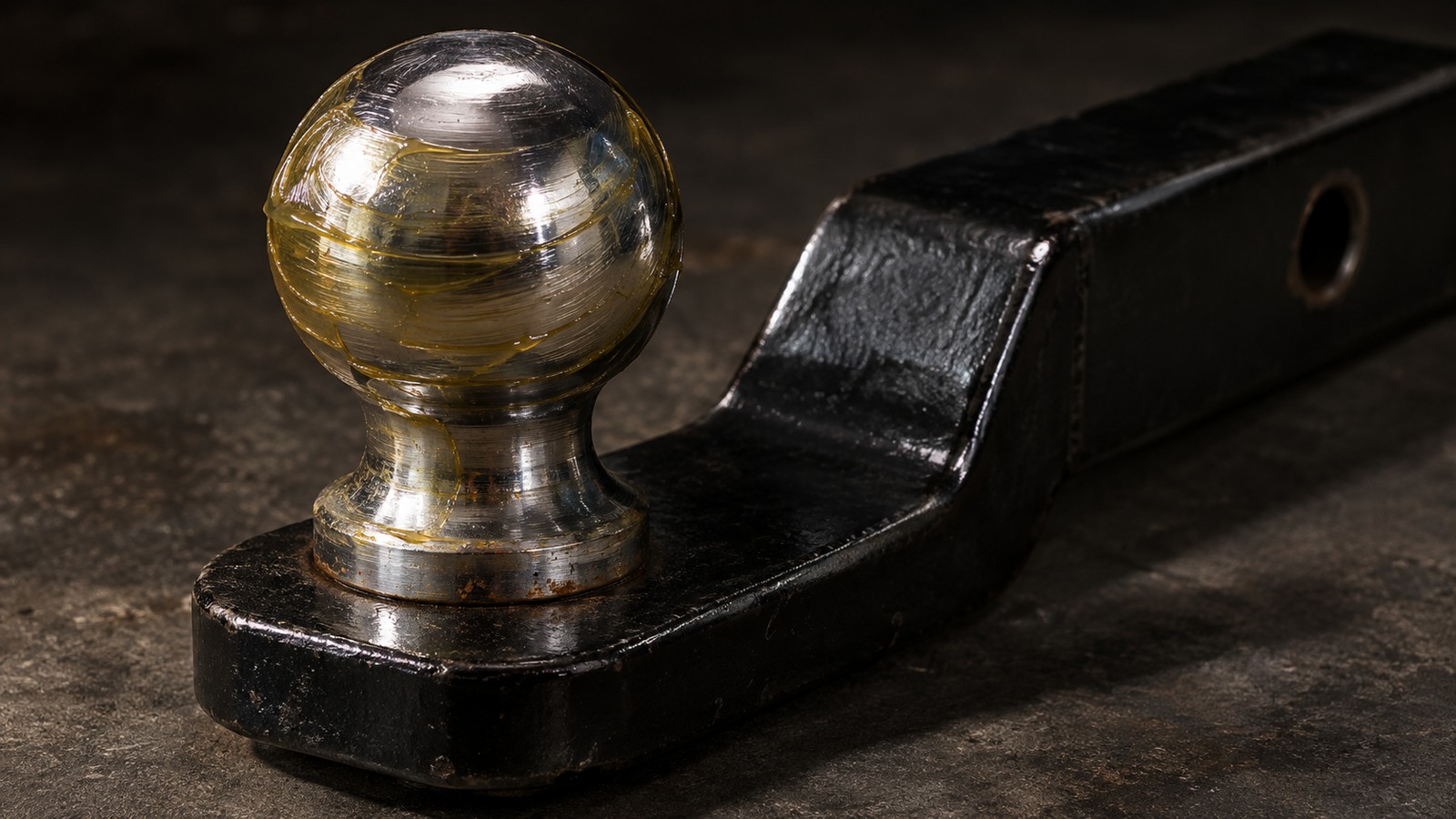
- The ball and coupler socket. The coupler sits over the ball and pivots on it as the trailer moves. Metal rubbing on metal squeaks and wears, so this is the main place for grease.
- The coupler latch and its moving parts. The latch, lever and pivot points need a small amount of lubricant to move freely and resist rust. The latch must still close fully and lock, so keep it light.
- The receiver and ball mount shank. The square shank slides into the receiver tube. This area is mostly about rust protection and easy removal, so a light film is enough.
- The hitch pin, clip and any lock. Keep their retention and locking surfaces clean. See the safety section below.
Safety first
Read this before reaching for a can.
- Keep pin and lock retention surfaces clean. Grease must not prevent a clip or lock from seating or conceal damage around the pin holes. Follow the maker’s instructions for any lock maintenance; do not grease its mechanism by default.
- Never lubricate brake components. If the trailer has brakes, keep grease, oil and spray away from drums, rotors, pads, shoes and friction surfaces. Brake lubricant contamination is a real hazard. Handle brake work through the trailer maker’s instructions.
- Wear eye protection when wire brushing or spraying overhead or under the hitch. Rust flakes fall straight down.
- Check aerosol labels for flammability. Keep flammable cleaners away from heat, sparks and flame, and work with ventilation.
- Watch the floor. A greasy drip on a garage floor or driveway is slick. Lay down cardboard and wipe up spills.
Nothing here makes a hitch safe to tow with. If a ball, coupler or receiver is cracked, deeply pitted, bent or worn, replace the part instead of lubricating it.
Step 1: Clean the ball and coupler
Grease over rust and old, gritty grease just makes a grinding paste.
- Disconnect the trailer and support it on its jack so the coupler is clear of the ball.
- Wipe off the old grease and road grime with a rag. For caked buildup, use a cleaner approved for the hitch’s finish. Keep cleaner off brakes, paint and rubber unless its label permits contact.
- Remove loose surface rust from the ball with a nonmetal abrasive pad if the maker permits it. Avoid grinding or removing a protective finish. Inspect the surface after cleaning.
- Clean inside the coupler socket and around the latch with a rag or soft brush. Remove grit without scoring the contact surface.
- Let solvents evaporate and wipe dry. Moisture trapped under fresh grease invites rust to return.
Deep pitting on the ball or socket is wear, and lubricant will not repair it.
Step 2: Grease the ball and latch
Where the maker calls for it, grease forms a more persistent film on a hitch ball than a thin penetrating oil. Movement and road grit still displace and contaminate it, so inspect and renew it.
- Apply a thin, even coat to the ball. Think a film you can see, not a glob.
- Put a small amount of grease in the coupler socket if the maker’s instructions call for it.
- If the maker specifies a latch lubrication point, apply a small amount there and operate the latch to distribute it. Confirm that the latch closes and locks fully.
Some towing setups use ball lubricant or specific greases; the hitch maker may name one. If it does, use that. Otherwise, a general grease is a common choice. Check each label for outdoor, water-exposed and temperature use.
Two registry greases are relevant, but the hitch maker’s recommendation decides what goes on the ball:
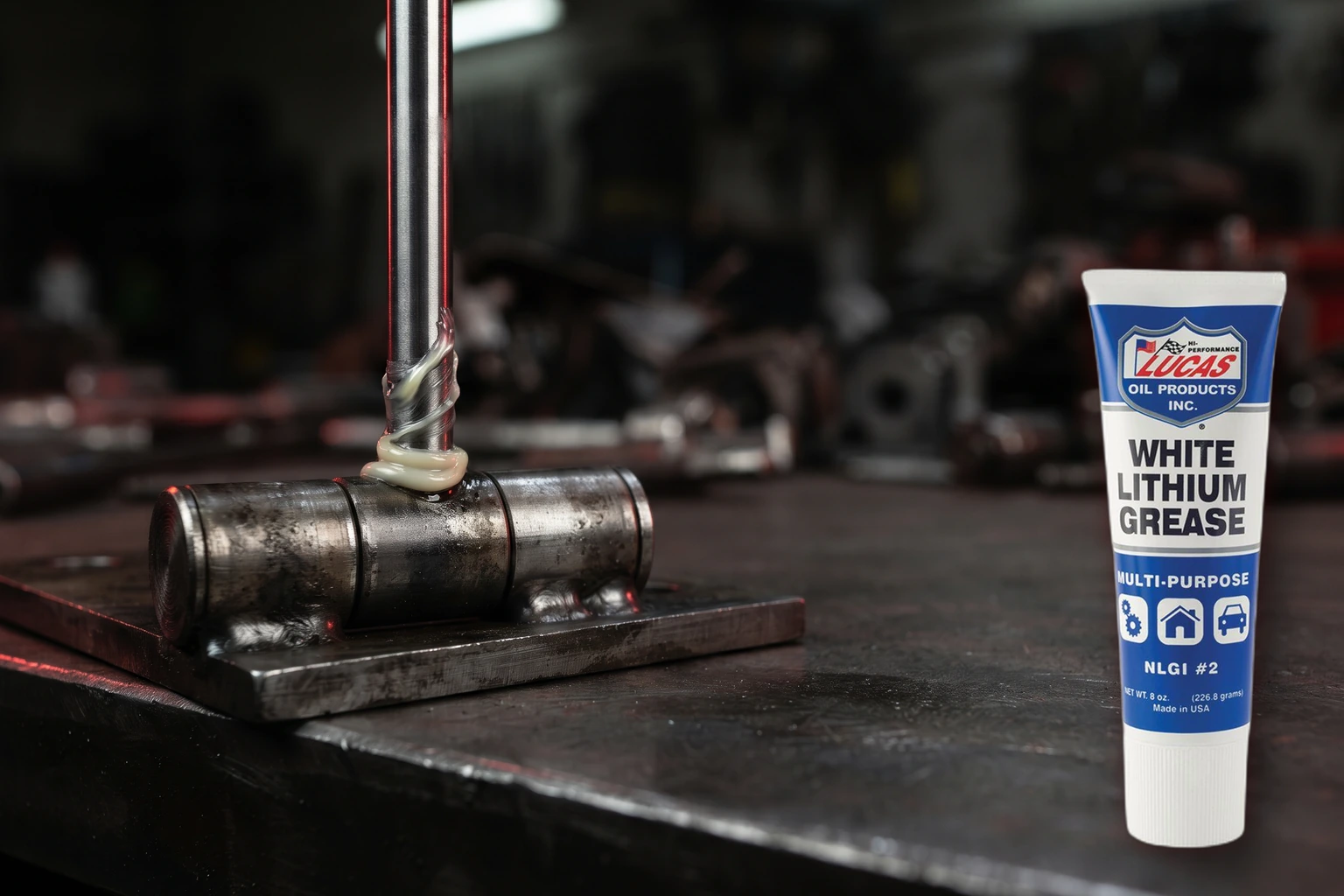
- Lucas White Lithium is listed for trailer hitches in the product registry. Check its label and the hitch instructions before applying it.
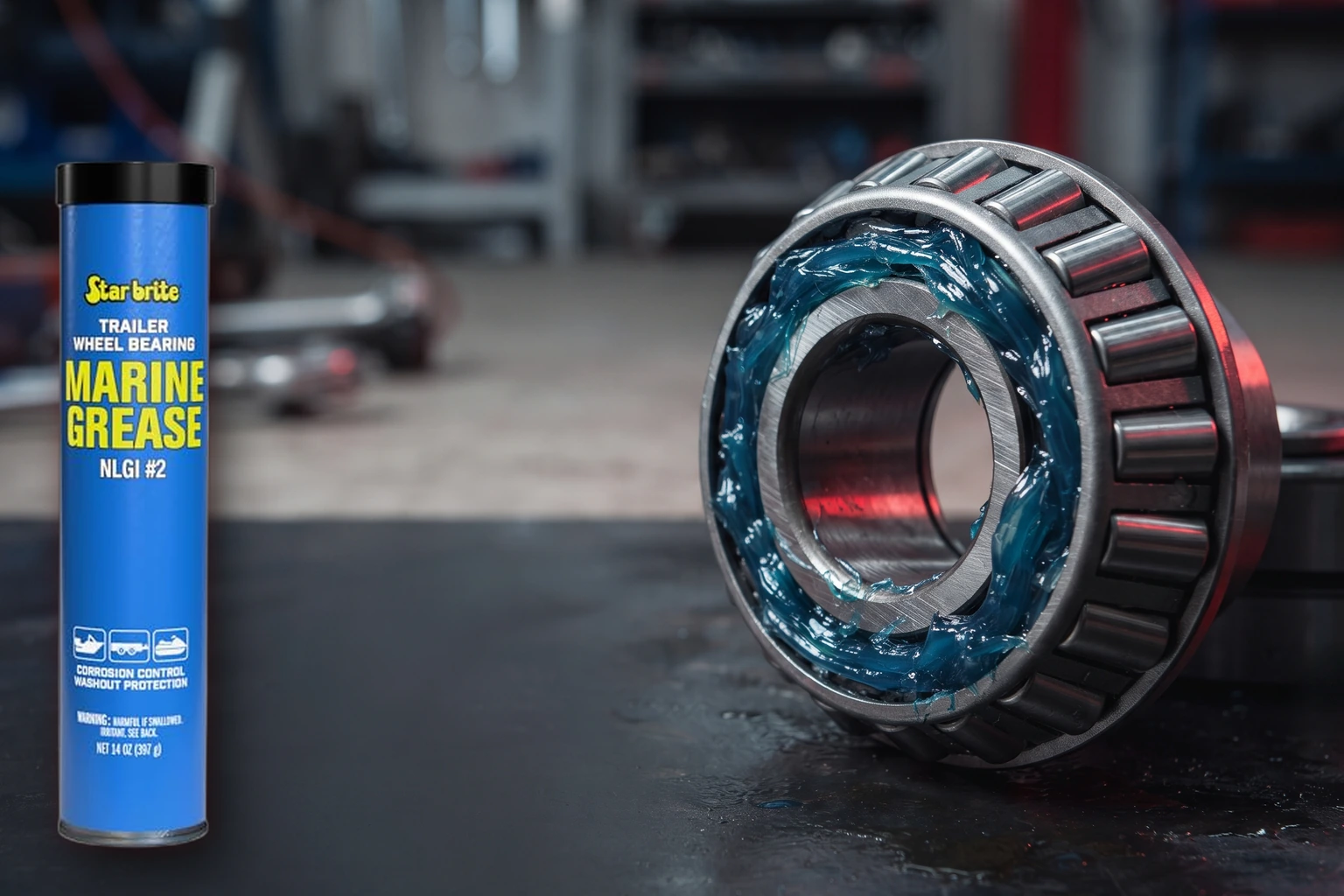
- Star brite Marine Grease is listed for trailer bearings and marine fittings. Those uses do not establish that it is approved for your ball or coupler; check both labels and the hitch instructions.
For a comparison of white lithium options, see Best White Lithium Grease, and for the broader category see grease. Before you commit, check the label for plastic, rubber and temperature compatibility; none of that is assumed here.
Step 3: A light film in the receiver
Inside the receiver tube and on the ball mount shank, the job is rust prevention and easy removal.
- Wire brush or use a bore brush on loose scale inside the receiver, then wipe it out.
- If the maker allows grease on the shank, wipe on a thin film before insertion. Keep the pin holes clear so the pin, clip and any lock can seat fully.
- Wipe the visible edges clean.
A shank that rusts into the receiver can be hard to remove. If that has already happened, see How to Remove a Ball Mount Stuck in a Hitch Receiver. Keeping the shank clean and protected can make later removal easier.
Why oily sprays fling off
Penetrating oil can free a stuck part, but its thin film is easily displaced from the ball as the coupler moves. An aerosol can also drift onto paint, wiring or brake parts during application. Apply a grease approved by the hitch maker directly to the contact surface instead of spraying the assembled hitch.
A rust-protection spray can still have a place on the outer, non-contact surfaces of a receiver, but not on pin or lock surfaces, and not as a substitute for grease on the ball. Check the label before you use any spray near paint, plastic or rubber.
Step 4: Wipe off the excess
Excess grease picks up dirt and road grit, turns into a grinding paste, and smears on the bumper, paint, license plate and your clothes.
- Wipe the outside of the ball down, leaving the contact face coated.
- Keep the ball nut and fastener areas as the maker specifies; do not let stray grease hide looseness or damage.
- Wipe the pin, clip and lock surfaces clean.
- Wipe the bumper and any painted area with a clean rag.
A cap or ball cover over a greased ball keeps road dirt off it and keeps grease off your gear in the truck bed.
How often
Check the ball whenever you hitch up. Wipe and re-grease when the grease looks dry, dirty or gritty, after washing the hitch or after heavy rain or salt exposure. Receivers benefit from a look at the start and end of the season. If the maker publishes a maintenance schedule, follow it.
FAQ
Can I use WD-40 or another penetrating spray on a hitch ball? A penetrating oil frees stuck parts but it is not the best choice for long-term lubrication of a ball, because it thins out and washes away. See Is Penetrating Oil the Same as Lubricant? for the difference. Use it to loosen a seized part, then clean and grease.
Should the ball be greased at all? Many setups do grease the ball to cut squeaking and wear, but some hitch or coupler makers have their own instructions. Follow the maker’s guidance for your hardware.
Can I grease the hitch pin or lock? Keep the pin holes, clip and lock retention surfaces clean so they seat fully. For maintenance inside a lock, follow the lock maker’s instructions.
Is white lithium grease fine for a hitch? It is commonly used for hitches and is listed for them in the registry. Read the label for outdoor and temperature use and compatibility.
Recommended Products
Related Reading
Best Garage Door Lubricant
Compare garage-door sprays, silicone lubricant and grease for the hardware that squeaks. Read the reviews and choose by application.
PicksBest White Lithium Grease
Compare a white lithium grease with two synthetic grease alternatives for metal hardware. See the reviews before choosing a formula.
Head-to-HeadWhite Lithium Grease vs Silicone Lubricant
Choose white lithium grease for listed metal hardware; choose silicone spray for listed rubber and plastic parts.
Head-to-HeadLucas White Lithium vs Mobil 1 Grease
Lucas White Lithium is the budget grease for hitches, gates and tracks; Mobil 1 is the pro-tier synthetic for bearings and joints under load.